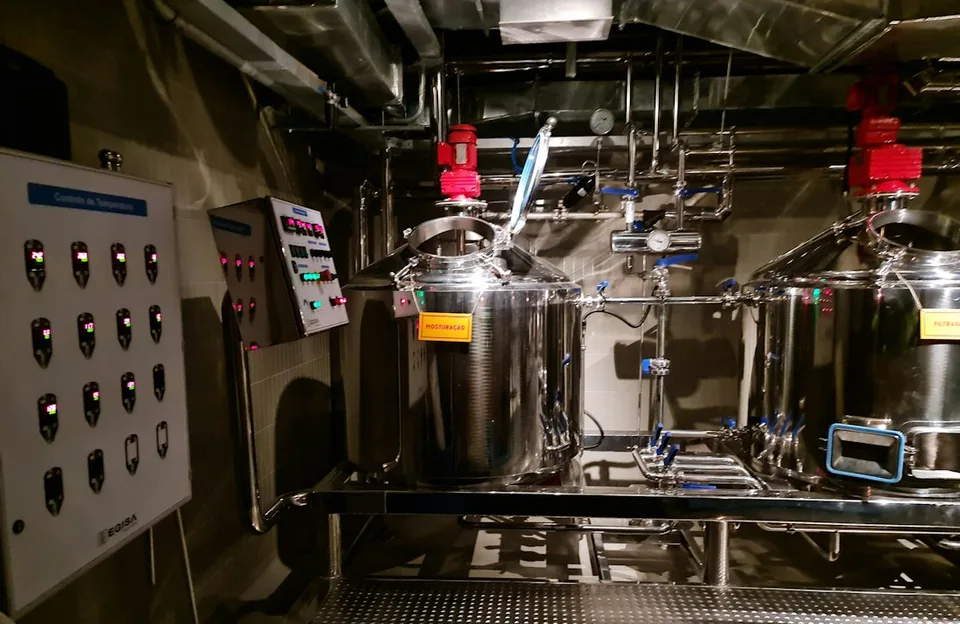
Industry overview
The process should follow the product: ingredients, temperatures, cleaning requirements, packaging and storage conditions. We help organise the equipment and factory interfaces so those requirements are visible to suppliers and installation teams. A sanitary-looking machine is not evidence of a validated hygienic process.
Typical projects
- Food and beverage processing-line coordination
- Filling, packaging and cold-chain interfaces
- Factory utilities and cleaning-system integration
Technical & engineering requirements
These inputs establish the review basis. Record unavailable information as an open action rather than an assumed fact.
- Product specification, recipes and target throughput
- Cleaning methods, contact materials and hygienic zoning
- Water, steam, cooling and compressed-air requirements
Equipment requirements & technical considerations
Review cleanability, drainage and access with process specialists.
Separate raw-material, personnel and finished-product flows appropriately.
Define product trials and cleaning verification before acceptance.
Project support process
- Define the operating duty and collect site evidence.
- Coordinate the relevant discipline and equipment interfaces.
- Agree procurement, installation and acceptance responsibilities.
- Review readiness with the owner and appointed specialists.
Typical deliverables
Agree the required depth, review responsibilities and issue dates for each deliverable before work begins.
- Process-flow and equipment requirements brief
- Utility and hygienic interface checklist
- Trial, training and handover document register
Frequently asked questions
Can you certify food safety?
No certification is implied. Validation, licensing and certification require the responsible competent parties.
What should be sent to a machinery supplier?
Provide product characteristics, required output, cleaning expectations, utilities and packaging interfaces rather than a machine name alone.